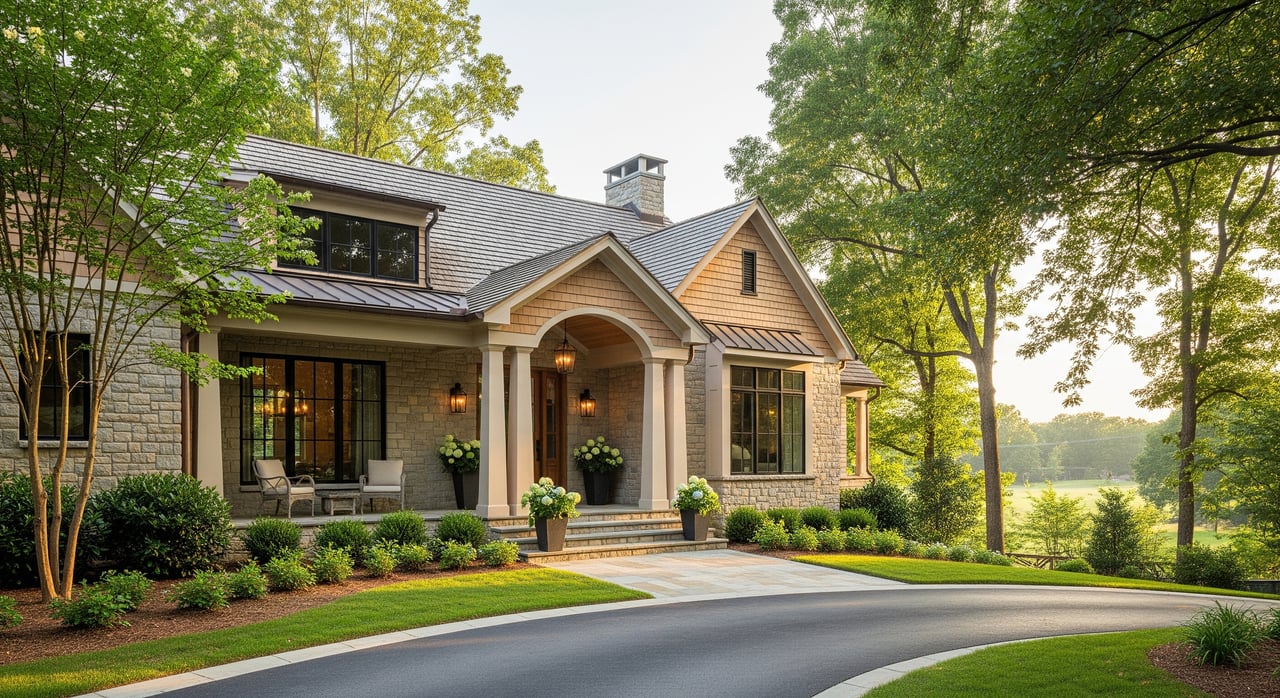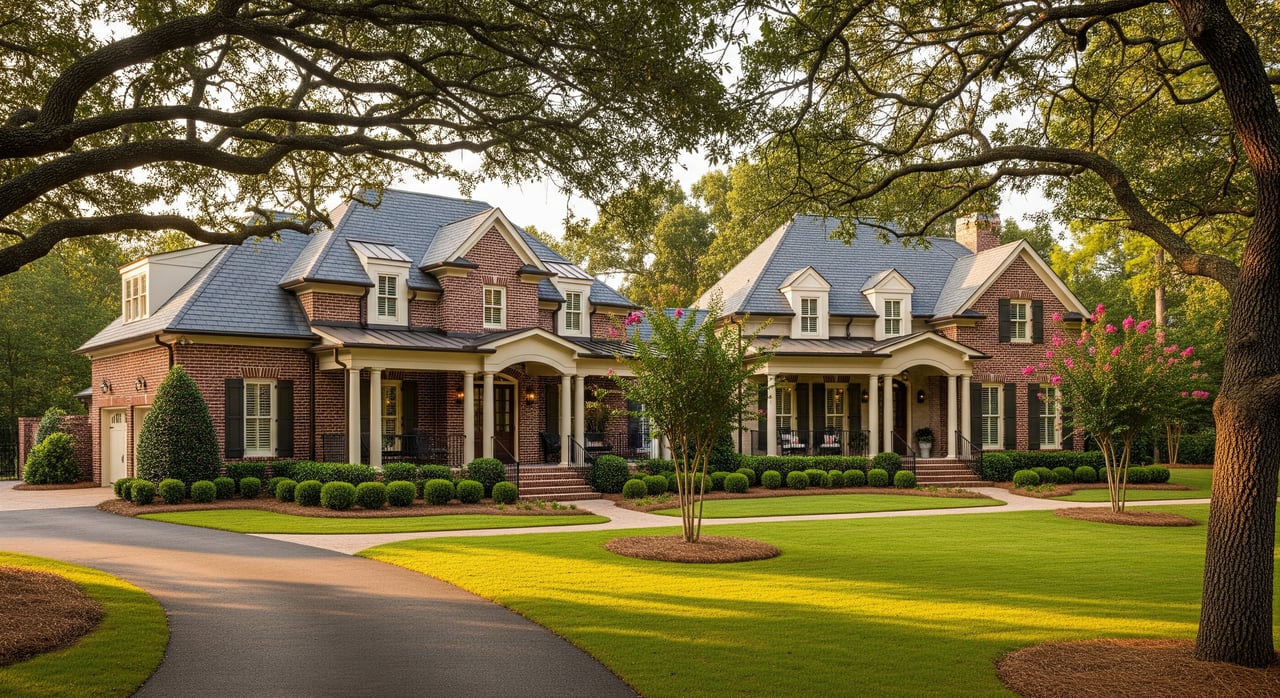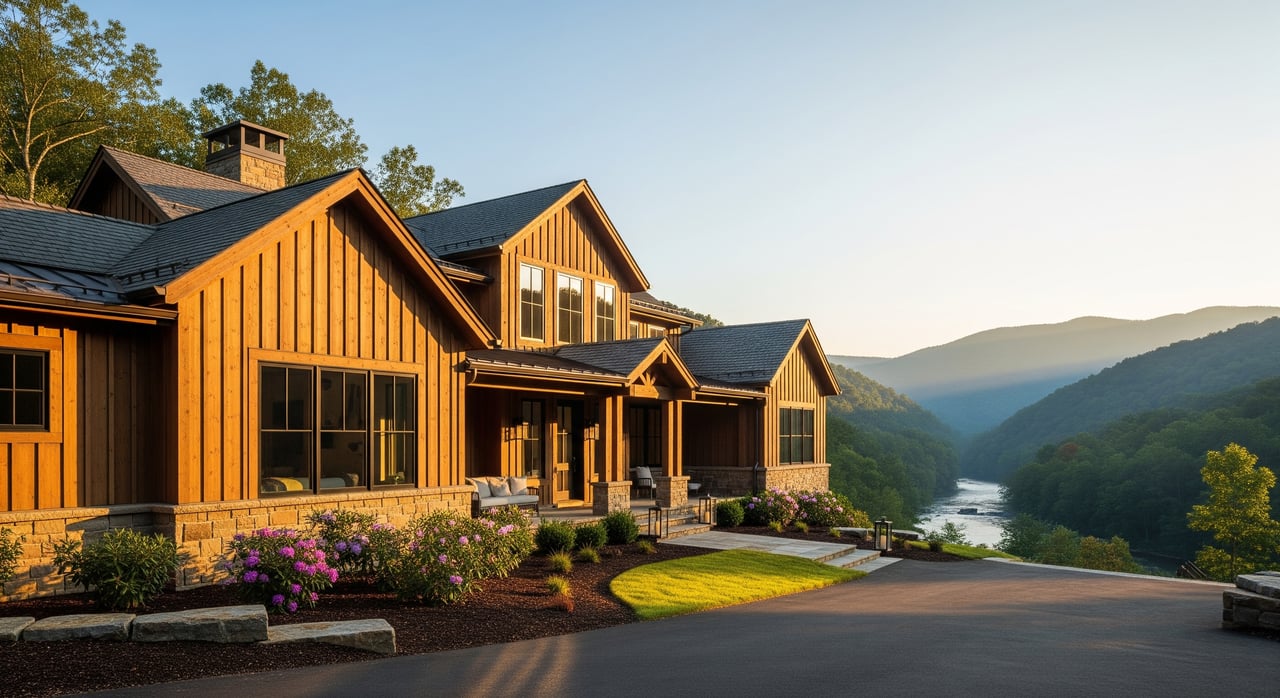
Choosing builder upgrades can feel like aiming at a moving target. You want a Woodfin townhome that lives well today and commands strong offers when you sell. The key is simple: lock in the upgrades that are hard to change later and deliver daily comfort, lower costs, and broad buyer appeal. In this guide, you’ll learn which choices matter most for resale in 28804, what to do during construction, and what to save for later. Let’s dive in.
What 28804 buyers value
In Woodfin and the north Asheville corridor, townhome buyers include first-time buyers, downsizers who want low maintenance, local employees, and investors where allowed. Across these groups, buyers prioritize lower operating costs, open and livable layouts, and a turnkey feel. Energy efficiency and basic smart-home readiness are increasingly expected, especially among younger and tech-forward buyers.
Many townhome communities include an HOA that manages exterior appearance and common areas. Because HOAs often limit exterior changes and additions, it is smart to handle exterior-related items during the build or coordinate with the HOA before making plans.
Prioritize structural and systems
Upgrades that affect structure, layout, mechanical systems, and building envelope are the ones buyers feel every day. They are also costly to change later. Focus your dollars here first, then layer in tasteful finishes.
Kitchen upgrades that pay off
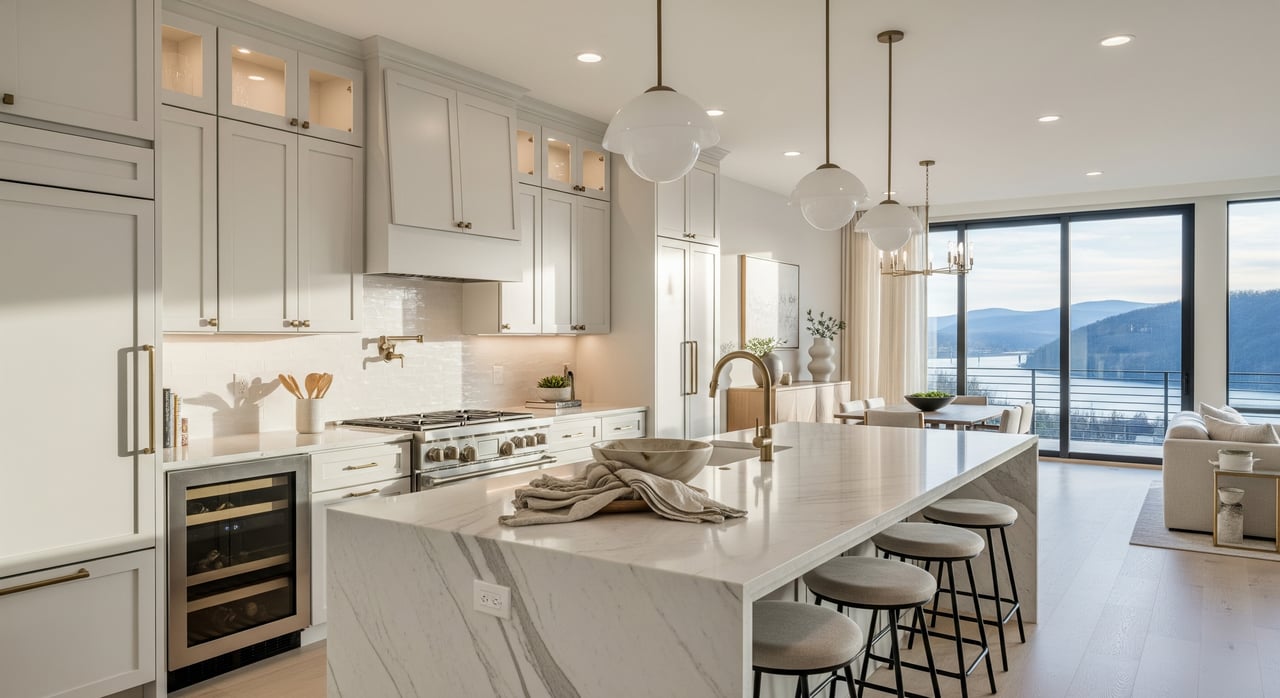
A functional, well-planned kitchen ranks near the top for buyer appeal. During construction, prioritize:
- Layout and rough-ins: island size and placement, pantry location, appliance rough-ins, venting, and outlet locations. Moving these later requires opening walls and floors.
- Cabinets: quality stock or semi-custom with full-overlay doors, soft-close hardware, and deep drawers for pots and pans.
- Countertops: quartz for durability and a clean, consistent look. Selecting slab thickness and edges now is straightforward and cost-effective.
- Sink and dishwasher placement: set the centerline and plumbing rough-ins for workflow and visual balance.
Consider deferring: a designer backsplash, decorative cabinet hardware, and high-end appliance packages. These are easy to swap after closing and can be tailored to current trends when you sell.
Flooring that sells
Buyers love continuous, durable flooring on the main level. During the build, choose:
- Main level: wide-plank engineered hardwood or a high-quality laminate for a cohesive look and stability in our variable humidity.
- Wet areas: porcelain tile for bathrooms and entries. Luxury vinyl plank works well in basements or for rental durability.
- Stairs and transitions: complete these during construction to avoid later subfloor prep and threshold fixes.
Consider deferring: bedroom carpet upgrades and highly specialized flooring. Bedrooms are easy to re-carpet to a buyer’s taste before listing.
Energy and mechanicals to choose now
Comfort and lower utility costs are powerful selling points. Choose these during construction:
- HVAC: a high-efficiency air-source heat pump sized correctly for the home.
- Water heater: a heat-pump or high-efficiency tank system with proper ventilation and placement.
- Insulation and air sealing: a well-detailed air barrier, sealed penetrations, and insulation that meets or exceeds current code for our climate zone.
- Windows: double-pane low-E units sized to bring in natural light and support daylighting.
- Ventilation: properly ducted kitchen and bath exhaust, and consider ERV or HRV where applicable.
Solar can often wait, but ask the builder to rough-in conduit and review roof loading so future installation is simpler and less expensive.
Storage and layout that show well
Townhomes live larger when storage is thoughtful. During the build, plan for:
- Primary closet: a functional walk-in footprint with lighting rough-ins to make later built-ins simple.
- Pantry: a full-height pantry or pull-out organizers set at framing so the kitchen stays uncluttered.
- Garage planning: electrical rough-ins and space for bikes and gear.
- Drop zone: a small mudroom or entry bench area that keeps daily items tidy.
Consider deferring: custom closet systems. These are easy to install post-closing and can be tuned to your buyer profile when you sell.
Smart tech rough-ins to add
Wiring and capacity are low-cost during framing and high-value on resale. Prioritize:
- EV readiness: a dedicated 240V, 40–50A circuit and empty conduit from the panel to the garage.
- Electrical capacity: a main panel with sufficient amperage and space for future breakers.
- Structured cabling: conduit or raceways for fiber, CAT6, and coax; doorbell camera and security prewires.
- Thermostat wiring: include a C-wire for smart thermostats.
Consider deferring: smart appliances and full security systems. These are simple after-market additions.
Structural and exterior choices
Even with shared walls and HOA oversight, a few exterior and structural decisions boost livability:
- Window placement: size and position for daylight and outlook, especially in main living and primary spaces.
- Outdoor living: deck or balcony construction with proper waterproofing and exterior outlet rough-ins.
- Durable exterior materials: fiber cement and quality siding reduce maintenance if allowed by the community standards.
Cosmetic exterior paint schemes and extensive landscaping are often restricted or better addressed after settlement. Always confirm HOA rules before planning exterior changes.
Do now vs wait checklist
High-priority to do during the build:
- Final kitchen and bath locations for plumbing, electrical, and ventilation.
- HVAC type, sizing, and duct layout; water heater type and placement.
- Insulation, air sealing, windows, and roof penetrations.
- Electrical service size, panel capacity, and dedicated circuits, including EV.
- Structural and framing changes, window and door openings.
- Low-voltage conduit and raceways for future tech.
Medium and lower priority that can wait:
- Appliances beyond a standard functional package.
- Light fixtures, faucets, and decorative hardware.
- Tile backsplashes and accent tile choices.
- Closet organizers, paint accents, trim details, and small landscaping.
How to judge ROI in Woodfin
In a townhome context, mid-range, well-planned kitchens tend to outperform ultra-luxury finishes on cost recovery. Energy-efficiency upgrades broaden your buyer pool and reduce operating costs, which supports pricing and marketing. Continuous main-level flooring and low-maintenance surfaces reduce immediate to-do lists for buyers, often boosting appeal.
Anchor your selections to local comparable sales. Look at townhomes in 28804 that sold quickly and note which features were present. Over-upgrading beyond neighborhood norms can limit cost recovery, so aim to meet or slightly exceed what competing homes offer.
Documentation helps you defend value. Keep records of HVAC efficiency ratings, insulation R-values, window performance data, blower door results if available, and any transferable warranties. If incentives or rebates are available for heat pumps, water heaters, or EV readiness, confirm details and keep the paperwork. Buyers and appraisers appreciate verifiable specs.
HOA and rules to confirm
Before finalizing upgrade choices, review the community’s HOA documents. Confirm guidelines for decks, exterior outlets, and any visible changes. Ask about storage allowances in garages, exterior fixtures, and satellite or antenna rules.
If you are considering an investment strategy, verify any short-term rental restrictions in the community and local ordinances. Knowing what is allowed helps you design a home that fits both your lifestyle and potential exit plans.
Sample upgrade plan for a Woodfin townhome
Use this simple framework to balance comfort, cost, and resale:
- Layout and kitchen rough-ins
- Confirm island dimensions, pantry location, and appliance venting.
- Choose mid-level cabinets with soft-close hardware and quartz countertops.
- Flooring continuity
- Install engineered hardwood or quality laminate across the main level.
- Tile all bathrooms and the entry. Leave bedroom carpets for later updates.
- Efficiency and comfort
- Select a high-efficiency heat pump system and a heat-pump or high-efficiency water heater.
- Confirm insulation and air sealing details, plus low-E double-pane windows.
- Storage and daily function
- Plan a walk-in primary closet with lighting rough-ins.
- Add a pantry and a simple drop zone near the entry.
- Future-proofing tech
- Add a 240V circuit and conduit to the garage for EV charging.
- Increase panel capacity if needed and run low-voltage raceways for internet and media.
- Outdoor living and materials
- Build a properly waterproofed deck or balcony with an exterior outlet.
- Select durable exterior materials within HOA standards.
- Defer for later styling
- Keep your standard appliance package, light fixtures, and backsplash now. Upgrade them closer to listing to match current trends.
Selling benefits you can market
When it is time to sell, the right upgrades give you clear talking points:
- Efficient comfort: high-efficiency HVAC, tight envelope, and quality windows.
- Livable layout: a kitchen that functions well and flows to open living.
- Turnkey finishes: continuous main-level flooring and tiled wet areas.
- Future-ready: EV circuit, smart thermostat wiring, and structured cabling.
- Practical storage: walk-in closet, pantry, and a functional drop zone.
These features resonate with the full range of 28804 buyers and help your listing stand out against competing townhomes.
Work with a builder-savvy local pro
Planning ahead is the difference between an easy sale and costly redo work later. If you want help comparing builder packages, reading HOA rules, or matching upgrades to local comps, we are here to guide you. With hands-on new-construction experience and a focus on Asheville and Woodfin micro-markets, we help you make confident, cost-conscious choices.
Ready to plan upgrades with resale in mind or get pricing on your current home? Connect with B. Allen Real Estate for boutique, builder-informed guidance and a premium plan to meet your goals.
FAQs
What upgrades add the most resale value in Woodfin townhomes?
- Prioritize kitchen layout and cabinetry, continuous main-level flooring, high-efficiency HVAC and water heating, quality windows, and smart tech rough-ins like an EV circuit.
Which builder choices should I make during construction vs later?
- Lock in structural, mechanical, electrical capacity, insulation, windows, and plumbing and electrical rough-ins during the build; save cosmetic items like backsplashes, fixtures, hardware, and some appliances for later.
Are energy-efficiency upgrades worth it for a townhome in 28804?
- Yes. Efficiency features reduce operating costs and appeal to a wide range of buyers; systems like heat pumps, insulation, and windows are costly to retrofit and are best chosen during construction.
Do buyers in this area expect EV charging capability?
- Many do or will soon. A dedicated 240V circuit and conduit to the garage is a low-cost, high-value rough-in that signals future readiness.
How do I avoid over-upgrading compared to nearby townhomes?
- Review recent 28804 comps to match or modestly exceed typical features, focus on systems and layout, and reserve luxury finishes for items that align with local buyer expectations.
What should I document to support resale value later?
- Keep specs and warranties for HVAC efficiency, water heater type, insulation R-values, window ratings, and any blower door test results, plus proof of tech rough-ins and panel capacity.