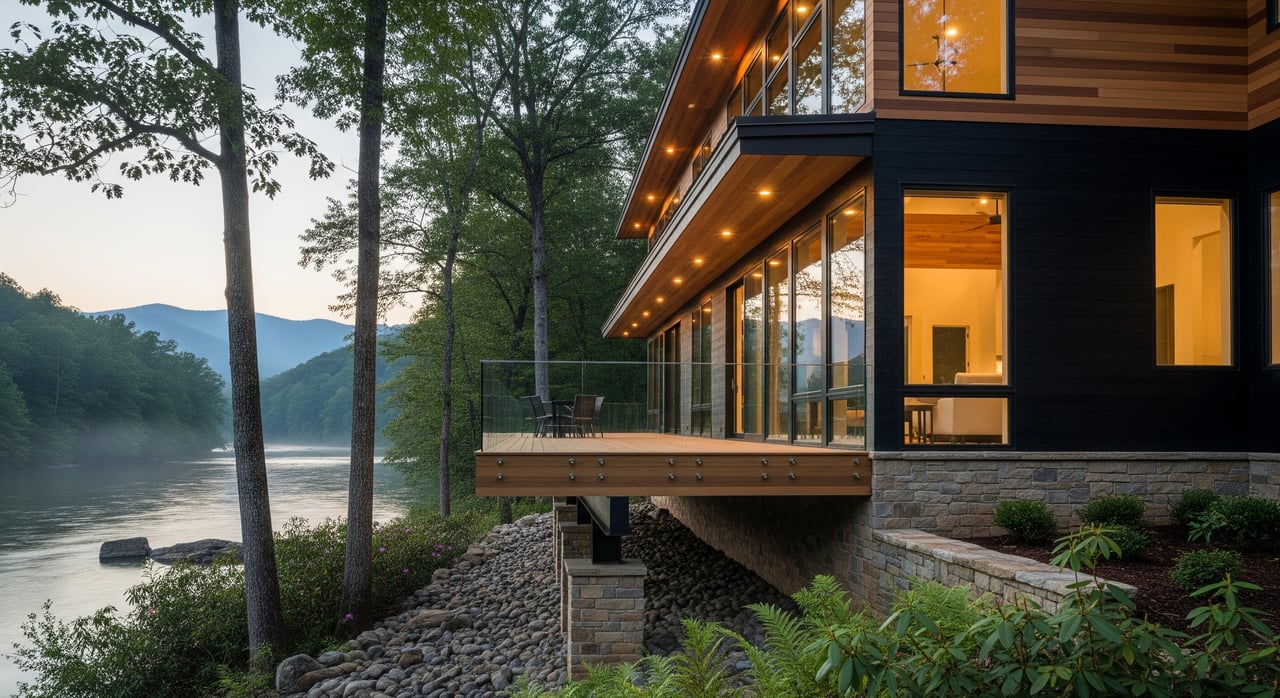
Thinking about a brand‑new home in Woodfin and not sure what happens between picking a lot and getting your keys? You’re not alone. New construction comes with a different timeline, different contracts, and a few extra checkpoints compared to resale. In this guide, you’ll learn exactly how the process works in Woodfin, what to verify locally, how to protect yourself with inspections and financing, and how to get on VIP lists for early lot releases. Let’s dive in.
Why choose new construction in Woodfin
New homes often deliver strong value: builder warranties, energy‑efficient systems, and fewer early maintenance surprises. Resale homes can offer mature landscaping and established streets, so it comes down to your priorities. In the Asheville area, lot premiums, included specs, and HOA rules vary by community, so compare base prices and what is included before you decide. If you are watching communities near North Asheville, like The Springs of North Asheville, verify pricing, timelines, and HOA details directly with the builder’s sales office before you commit.
How the process works, step by step
1) Pre‑approval and preparation
- Get a written lender pre‑approval, not just pre‑qualification. The Consumer Financial Protection Bureau’s guidance suggests comparing rates, fees, and lender experience with construction financing.
- Build a full budget. Plan for lot premiums, options and upgrades, potential change orders, landscaping, utility tap fees, impact fees, HOA initiation fees, and closing costs.
- Choose an agent who knows new construction. Your agent should review builder contracts, register your representation with the sales center, and help negotiate extras.
2) Lot reservation and early documents
- Many builders offer a short lot hold with a deposit while you review terms. Ask for the reservation policy in writing, including refund rules and time limits.
- Request HOA and community documents early. Review covenants, budgets, and design guidelines before you sign a binding contract when possible.
3) Contract signing
- Expect a builder purchase agreement, not the standard North Carolina resale forms. These agreements often set allowances, construction timing, change‑order rules, and dispute language. Have your agent, and when appropriate an attorney, review the contract before you sign.
- Confirm the deposit structure. Many builders take an initial earnest deposit, then additional deposits at milestones. Get escrow handling and refund conditions in writing.
4) Design selections and change orders
- You will pick finishes like cabinets, flooring, counters, and fixtures. Some items are included, and others are upgrades.
- Selections have deadlines. Missing them can lead to default choices or rush fees.
- Changes after selections are handled with change orders. These can add cost and time, so keep approvals in writing and track your totals.
5) Construction and inspections
- Build times vary with weather and trade availability. Community builders often quote a model‑to‑delivery range of several months. Industry sources like the National Association of Home Builders report typical single‑family build times in the span of months, but ask the builder for today’s local estimate.
- Required municipal inspections occur at stages like foundation, framing, plumbing, electrical, insulation, and final. You can hire independent inspectors at key points, such as pre‑drywall and pre‑closing, and add radon or termite/WDI tests as needed.
- Attend walkthroughs near completion. Create a clear punch list of items to fix before closing.
6) Appraisal and final underwriting
- If you are financing, your lender will order an appraisal. The appraiser considers new‑build comps, your base price, and options.
- Appraisal gaps can occur if upgrades and lot premiums push price above recent sales. Builder contracts vary on how shortfalls are handled. Options can include renegotiation, bringing cash, appealing the appraisal through your lender, or cancellation if allowed by the contract.
7) Closing, move‑in, and warranties
- In North Carolina, a title company or attorney typically acts as settlement agent. Closing includes loan signing, title insurance, deed recording, and fund transfer.
- Taxes and HOA fees are prorated. Confirm your closing costs and any required escrow.
- Most production builders provide a limited warranty for workmanship, systems, and structural elements. Ask for warranty documents and claim instructions at closing. Many builders use third‑party programs like 2‑10 Home Buyers Warranty.
Local permitting and utilities: Woodfin specifics
In Buncombe County, building permits and inspections are handled by the county for unincorporated areas, while projects inside municipal boundaries may fall under the Town of Woodfin or the City of Asheville. Before you write a check, confirm which jurisdiction applies to your specific lot. Start with Buncombe County Planning & Development and the Town of Woodfin building office for clarity.
Utility availability also matters. Ask whether the lot will use municipal sewer or septic, how water hookups work, and if stormwater controls or off‑site improvements are required. These items can affect cost and schedule.
Who represents you at the sales center
The sales rep on site represents the builder. Your own buyer’s agent represents you and should be involved from the start. The North Carolina Real Estate Commission outlines representation rules and disclosures. Confirm in writing that the builder will honor your agent’s registration and compensation before your first onsite visit.
Inspections: municipal vs independent
Municipal inspectors verify code compliance. Independent inspectors evaluate the home for your interests and often catch finish quality issues that code does not address. Common checkpoints include foundation, pre‑drywall/framing, and a final inspection, plus radon and termite/WDI testing as needed. Schedule your third‑party inspections with the builder early so they fit the construction timeline.
Appraisals and pricing: avoid surprises
Your lender’s appraisal must support the contract price. If the appraisal comes in low, solutions may include a price adjustment, a seller credit, you bringing cash to cover the gap, or an appeal through your lender. The Consumer Financial Protection Bureau explains how appraisals work and what to expect during the mortgage process. Review your builder contract so you know your remedies before you commit.
Financing your new build
- Construction‑to‑permanent loan: One closing. The loan converts to a standard mortgage after completion.
- Two‑close construction loan: A construction loan first, then a separate permanent mortgage at the end.
- Conventional mortgage: Used when you purchase a completed spec or inventory home.
Ask lenders about draw schedules, builder approval, and their experience with new construction. For a high‑level overview of construction loan programs and requirements, see Fannie Mae’s resources. Compare more than rate. Consider fees, timelines, and communication.
Timeline at a glance
- Lot reservation to contract: a few days to 2 weeks.
- Design selections: often due within 1 to 4 weeks of contract.
- From foundation to completion: typically 3 to 9 months, depending on model, backlog, and weather.
- Appraisal and final underwriting: 2 to 6 weeks before closing.
- Closing after certificate of occupancy: often within days, depending on lender readiness.
Buyer checklist
Before visiting a community
- Get a lender pre‑approval.
- Select a buyer’s agent with new‑construction experience and confirm builder registration.
At first contact with the builder
- Ask about lot availability, base price vs lot premium, build timeline, standard inclusions, and deposit schedule.
- Request HOA documents, warranty samples, and the builder’s purchase agreement for review.
After contract
- Complete all selections by the deadlines.
- Keep change orders in writing with cost and schedule impacts.
- Schedule independent inspections at pre‑drywall and pre‑closing.
- Track appraisal and loan conditions with your lender.
At closing
- Review closing disclosures early and confirm any builder credits.
- Arrange utilities and meter transfers.
- Secure warranty documents and maintenance guides.
VIP lot releases and early inventory alerts
If you want first pick of lots or early access to spec homes, get on the builder’s interest list and request SMS and email updates for release dates. Ask the sales rep to register your agent with your file and confirm compensation terms in writing.
You can also set up MLS alerts for specific communities, so you see spec homes as soon as they hit the market. If you are tracking neighborhoods near North Asheville, such as The Springs of North Asheville, verify current release plans and incentives directly with the builder, since timelines and policies change.
As a boutique brokerage with active builder partnerships and a focus on new‑construction townhomes across Asheville and Weaverville, we can set tailored VIP alerts and keep you ahead of releases, price changes, and incentives.
Contracts, HOAs, and warranties: know the fine print
Builder contracts often include unique terms about timing, liquidated damages, change orders, dispute resolution, and warranty coverage. Ask questions and seek legal review if you are unsure. For consumer guidance on working with real estate professionals in North Carolina, visit the North Carolina Real Estate Commission. For typical warranty structures used by builders, the North Carolina Home Builders Association and warranty providers like 2‑10 Home Buyers Warranty offer helpful overviews.
Local permitting resources
To verify which office oversees permits and inspections for your specific lot, start with Buncombe County Planning & Development. They can help you determine whether your property falls under the county, the Town of Woodfin, or the City of Asheville for inspections and approvals.
Ready to map out your path to a new home in Woodfin? Reach out for a personal, step‑by‑step plan, VIP release alerts, and guidance that keeps you confident from pre‑approval to keys. Connect with B. Allen Real Estate to get started.
FAQs
Who represents me when I visit a Woodfin builder’s sales center?
- The onsite rep works for the builder. Bring your own buyer’s agent, register them on day one, and confirm compensation and representation in writing.
How do permits and inspections work for a Woodfin new build?
- Permits and inspections may be managed by Buncombe County or a municipality. Confirm the jurisdiction for your lot with Buncombe County Planning & Development and the Town of Woodfin.
What if my Woodfin new‑construction appraisal comes in low?
- Options often include renegotiation, you paying the difference, appealing through your lender, or cancellation if allowed by your contract. Know the clause before you sign.
Do I need a construction loan to buy a completed spec home in Woodfin?
- Not usually. Many buyers use a conventional mortgage for completed inventory. Construction‑to‑perm or two‑close loans are common when you build from the ground up.
How do I get VIP alerts for Woodfin lot releases and spec homes?
- Join the builder’s interest list, request SMS and email notifications, and have your agent set MLS alerts for the community. Ask to confirm your agent’s registration in writing.
What warranties come with a new home in Woodfin?
- Most production builders provide limited warranties for workmanship, systems, and structural elements, sometimes backed by third‑party programs like 2‑10 Home Buyers Warranty.